
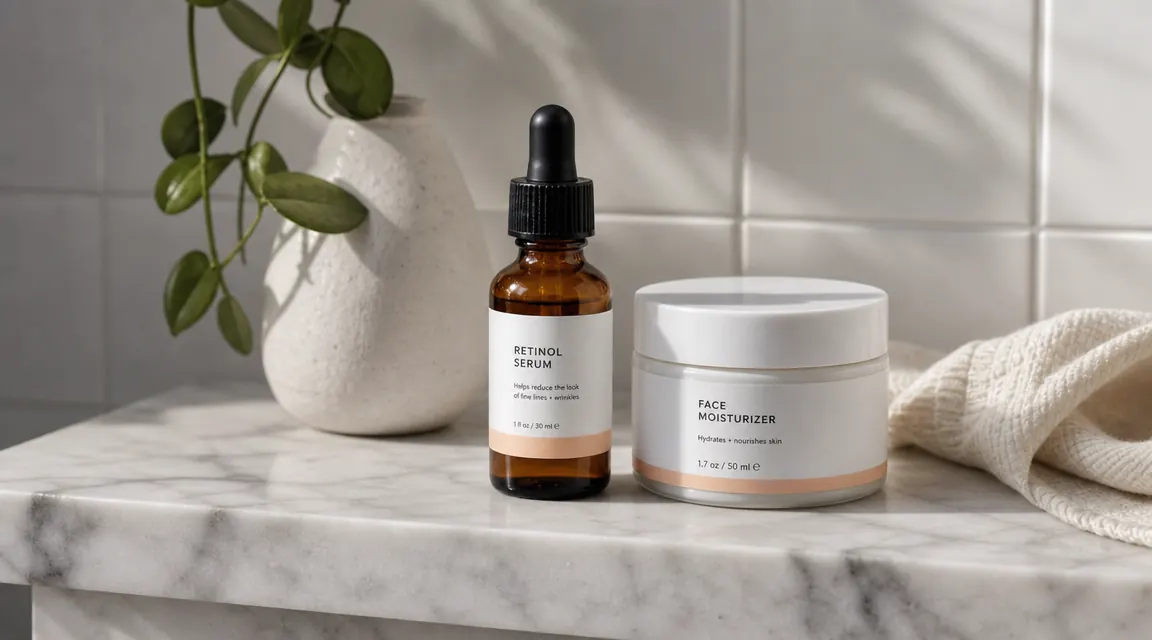
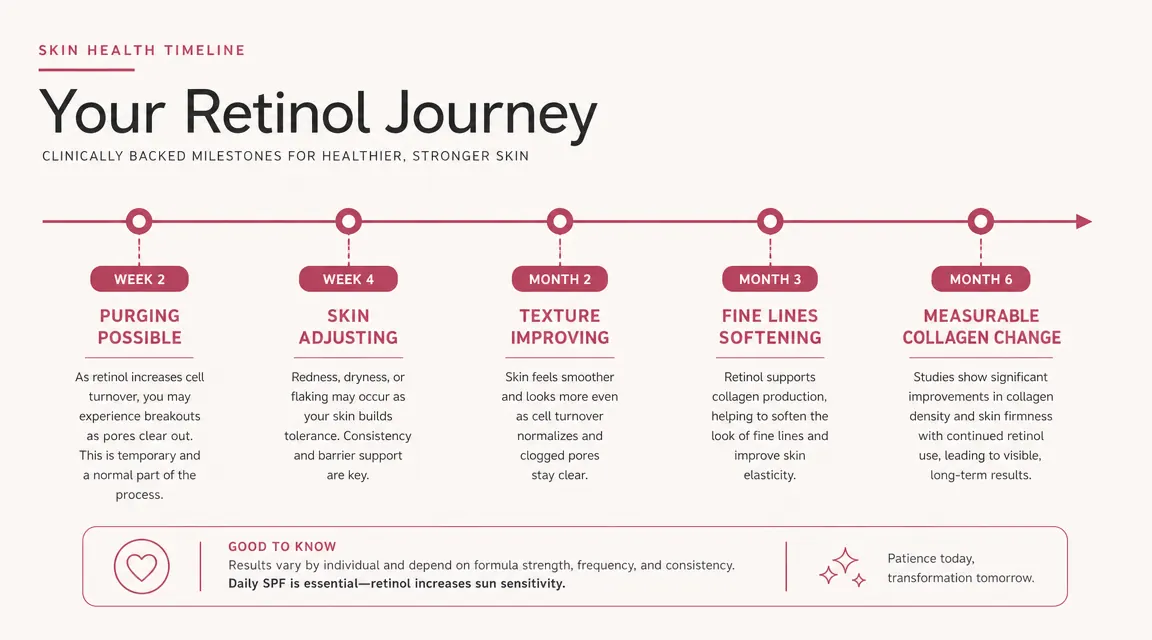
I spent two years avoiding retinol because every time I tried it, my skin peeled, broke out, and looked worse for three weeks straight. I thought it just didn't work for combo, breakout-prone skin like mine. Turns out, I was using the wrong formula and expecting results on the wrong timeline. The mechanism behind retinol is real and well-documented, but only if you understand what it's actually doing under the surface, and why the first six weeks feel like a regression before they feel like progress.
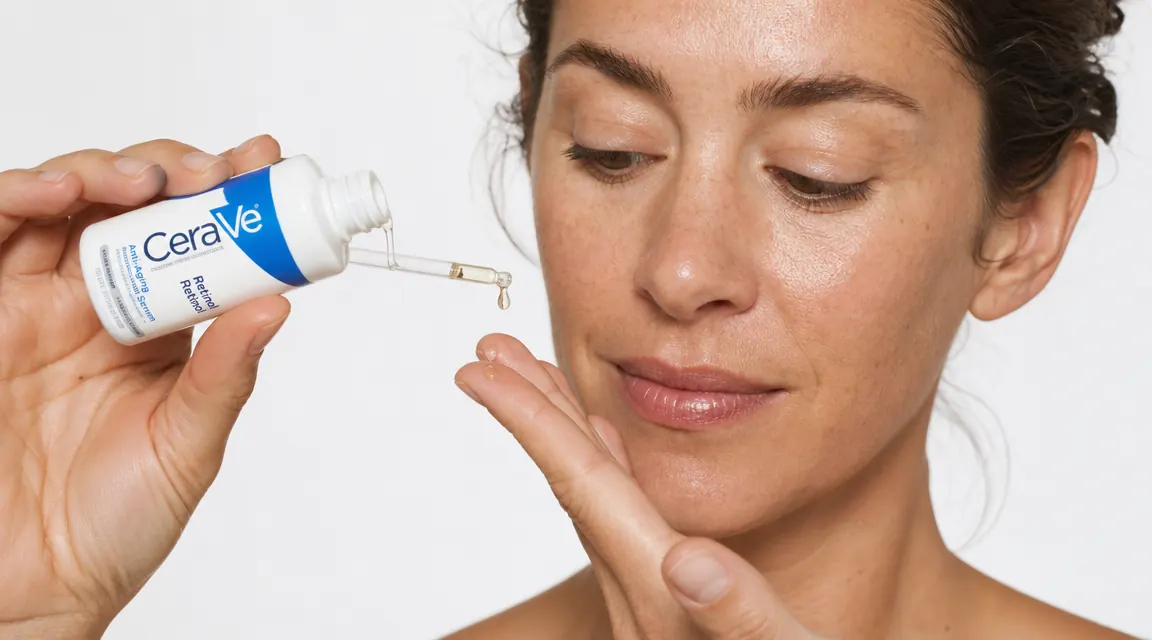
CeraVe's retinol serum finally got me past that wall, mostly because the encapsulated retinol format slowed down delivery enough that my skin could actually tolerate it. But before I get into that, here are the 10 reasons a retinol serum genuinely reduces fine lines, so you know what you're waiting for.
If you've quit retinol before, the formula probably wasn't built for sensitive skin
CeraVe's encapsulated retinol serum pairs the active with niacinamide, hyaluronic acid, and ceramides, so your barrier stays intact while the retinol works. Rated 4.6 stars across 27,000+ reviews.
Amazon Check Today's Price on Amazon →A retinol serum speeds up your skin's cell turnover rate
Retinol binds to retinoic acid receptors in skin cells and signals them to behave like younger cells, turning over faster, moving dead surface cells out of the way. This faster cycle is what makes fine lines look shallower over time, because you're continually revealing fresher skin underneath. Without this acceleration, cell turnover slows significantly after your mid-30s.
A retinol serum stimulates collagen synthesis directly
This is the one with the most clinical backing. Retinol has been shown in multiple peer-reviewed studies to increase procollagen production in the dermis, the layer of skin below the surface where structural firmness lives. More collagen means less visible wrinkling over months of consistent use. No other over-the-counter ingredient has this level of evidence.
A retinol serum inhibits the enzymes that break down existing collagen
Matrix metalloproteinases (MMPs) are enzymes triggered by UV exposure that degrade collagen in your dermis. Retinol suppresses MMP activity, which means it's not just building new collagen, it's protecting the collagen you already have. Think of it as offense and defense working simultaneously.
A retinol serum normalizes irregular pigment distribution
Fine lines and sun damage tend to show up together. Retinol disrupts the clustering of melanin that creates uneven patches and discoloration, which makes skin tone look more uniform. A more even tone reduces the shadow-contrast effect that makes fine lines appear deeper than they actually are.
Most people quit at week three. That's the exact window when purging and flaking peak, and when the actual cellular remodeling is just getting started underneath.
A retinol serum thickens the epidermis over time
One of the hallmarks of aging skin is epidermal thinning, the outer skin layers become thinner and more translucent, which makes fine lines more visible. Retinol reverses this by increasing epidermal thickness. After several months of consistent use, skin literally has more structural material between the surface and those fine lines.
A retinol serum improves skin's water-retention capacity
Retinol upregulates aquaporin channels in skin cells, which improves how effectively the skin holds onto water. Better hydration means skin looks plumper and more supple, which directly reduces the appearance of fine lines, particularly the shallow ones around the eyes and upper lip that show up most when skin is dry.
Encapsulated retinol serum delivers the active without the barrier damage
Standard retinol can cause irritation, peeling, and barrier disruption because it converts to retinoic acid faster than most skin can tolerate. Encapsulated retinol serum formulas slow that conversion by wrapping retinol in a lipid sphere that releases it gradually. The result is less redness and less barrier compromise, which matters because a damaged barrier actually accelerates wrinkling.

A retinol serum paired with niacinamide is more tolerable long-term
Niacinamide reduces redness, supports the ceramide layer, and has its own evidence base for improving skin texture. When a retinol serum includes niacinamide in the formula, the two ingredients work together to keep the barrier intact while retinol does its remodeling work. This combination is why CeraVe's version is specifically designed for people who've failed with retinol before.
A retinol serum reduces the formation of comedones that stretch pores
Blackheads and clogged pores stretch the opening of follicles over time, which deepens the appearance of pores and adds to uneven texture. Retinol normalizes follicle-lining cell turnover, reducing the buildup that causes comedones. Less congestion means smoother surface texture, which is visually similar to reduced fine lines in photos and in person.
A retinol serum works even at lower concentrations, consistency beats strength
The temptation is to jump to higher percentages faster. But studies comparing retinol concentrations show that 0.025% used consistently for six months outperforms 0.1% used for six weeks and then abandoned due to irritation. A retinol serum at a moderate, tolerable concentration used every three nights beats an aggressive formula you can only use once a week. Sustainable beats heroic.
What I'd Skip
Retinol eye creams marketed as gentle alternatives to a full retinol serum are almost always underdosed to the point of being ineffective. If you want retinol to work around the eye area, use a pea-sized amount of your regular retinol serum and avoid the actual orbital bone, your skin there doesn't need a different formula, it needs a smaller application area. Paying a premium for a dedicated eye-area retinol product rarely makes sense when the active concentration is usually a fraction of what a face serum delivers.
Internal Reading
If you want the full breakdown of how CeraVe's encapsulated formula holds up over six months on combo skin, read the CeraVe Retinol Serum long-term review. For a closer look at how the encapsulation technology is different from raw retinol, the honest review of CeraVe's retinol serum goes deep on the ingredient panel.
Ten mechanisms, one serum, and it's under $21
CeraVe's encapsulated retinol serum is one of the most dermatologist-recommended options in its price range. The ceramide-and-niacinamide base makes it workable for combo, breakout-prone skin. 4.6 stars, 27,000+ reviews.
Amazon Check Today's Price on Amazon →